
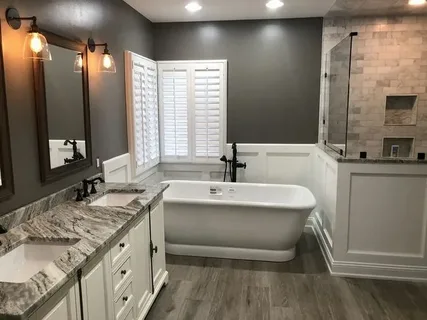
Bathroom remodeling is one of the most popular home improvement projects in the United States. Whether you want to update an outdated bathroom, improve functionality, increase property value, or create a luxurious spa-like retreat, remodeling can transform one of the most important spaces in your home.
One of the first questions homeowners ask is: How much does bathroom remodeling cost? The answer depends on several factors, including bathroom size, material selections, labor costs, plumbing modifications, and the overall scope of the project.
In this comprehensive guide, we will break down bathroom remodeling costs, discuss factors that influence pricing, and help you understand what to expect when planning your renovation budget.
The average bathroom remodeling cost in the United States typically ranges from $6,000 to $30,000 or more.
Here is a general breakdown:
Most homeowners spend around $12,000 to $20,000 for a complete bathroom renovation that includes new fixtures, flooring, vanity upgrades, lighting improvements, and fresh finishes.
A half bathroom typically includes a toilet and sink.
Average cost:
Because these bathrooms are smaller, material and labor costs are generally lower.
Guest bathrooms usually contain a toilet, sink, and shower or bathtub.
Average cost:
This type of remodel often includes new flooring, updated fixtures, and cosmetic improvements.
Primary bathrooms are often larger and may feature double vanities, custom showers, soaking tubs, and premium finishes.
Average cost:
Luxury upgrades can significantly increase costs.
Several factors determine how much your bathroom remodel will cost.
Larger bathrooms require more flooring, tile, paint, fixtures, and labor. The bigger the space, the higher the overall cost.
Material choices can dramatically impact your budget.
Examples include:
Premium materials can quickly increase remodeling expenses.
Labor often accounts for 40% to 60% of a bathroom remodeling budget.
Common professionals involved include:
Labor rates vary depending on location and project complexity.
Keeping existing plumbing locations can save thousands of dollars.
Moving:
often requires extensive plumbing work that increases costs.
Modern bathrooms frequently require:
Electrical improvements add to the total remodeling budget.
Many remodeling projects require permits, especially when plumbing, electrical, or structural work is involved.
Permit costs vary by city and county.
Understanding where your money goes can help you plan effectively.
Average cost:
This includes removing old fixtures, flooring, tile, and cabinetry.
Average cost:
Popular flooring options include:
Average cost:
Vanity costs vary based on size, materials, and customization.
Average cost:
Custom walk-in showers with glass enclosures and premium tile are among the most expensive upgrades.
Average cost:
Freestanding soaking tubs and whirlpool tubs cost significantly more than standard units.
Average cost:
High-efficiency and smart toilets can increase costs.
Average cost:
Modern lighting improves both functionality and aesthetics.
Average cost:
Fresh paint is one of the most affordable ways to refresh a bathroom.
Homeowners seeking a premium experience often invest in luxury features.
Popular upgrades include:
These features can add anywhere from several thousand dollars to tens of thousands of dollars to your remodeling budget.
Bathroom remodeling is often considered one of the best home improvement projects for increasing property value.
Benefits include:
Many bathroom remodels can recover approximately 50% to 70% of their cost through increased home value, depending on market conditions and renovation quality.
You do not always need a massive budget to create a beautiful bathroom.
Consider these cost-saving strategies:
Refinishing bathtubs and vanities can save significant money.
Avoid moving toilets, showers, and sinks whenever possible.
Ceramic and porcelain tile often provide excellent value.
Replacing faucets, lighting, and hardware can create a modern appearance without a full renovation.
Fresh paint delivers one of the highest returns for the lowest investment.
You may want to consider remodeling if you notice:
Addressing these issues early can prevent larger repair expenses later.
Most bathroom remodeling projects take:
Timelines depend on project complexity, material availability, permit approvals, and contractor schedules.
Choosing the right contractor is one of the most important decisions you will make.
Look for:
Working with experienced professionals such as Driscoll Home Enhancements LLC can help ensure your bathroom renovation is completed efficiently and meets your expectations.
A successful remodel starts with a realistic budget.
Follow these steps:
Having a contingency fund helps prevent financial surprises during construction.
Bathroom remodeling costs vary widely depending on size, materials, labor, and project scope. While a small bathroom renovation may cost as little as $6,000, luxury remodels can exceed $50,000 or more.
The key to a successful bathroom remodel is careful planning, realistic budgeting, and selecting quality materials that match your goals. Whether you are updating a guest bathroom or creating a luxurious primary suite, understanding the costs involved allows you to make informed decisions and maximize your investment.
By evaluating your needs, comparing contractor estimates, and prioritizing high-impact improvements, you can create a beautiful and functional bathroom that adds value and comfort to your home for years to come.
The cost to completely remodel a bathroom typically ranges from $6,000 to $30,000 or more, depending on the bathroom size, materials used, labor costs, and whether plumbing or electrical systems need to be updated.
The biggest cost factors include bathroom size, material quality, labor expenses, plumbing modifications, custom features, and permit requirements. Luxury upgrades and layout changes can significantly increase the overall budget.
Yes, bathroom remodeling is often considered a worthwhile investment because it can improve functionality, enhance comfort, increase energy efficiency, and boost your home's resale value. Many homeowners recover a significant portion of their remodeling costs when selling their property.
You can lower remodeling costs by keeping the existing layout, refinishing instead of replacing fixtures, choosing budget-friendly materials, and handling minor cosmetic updates such as painting and hardware replacements.