
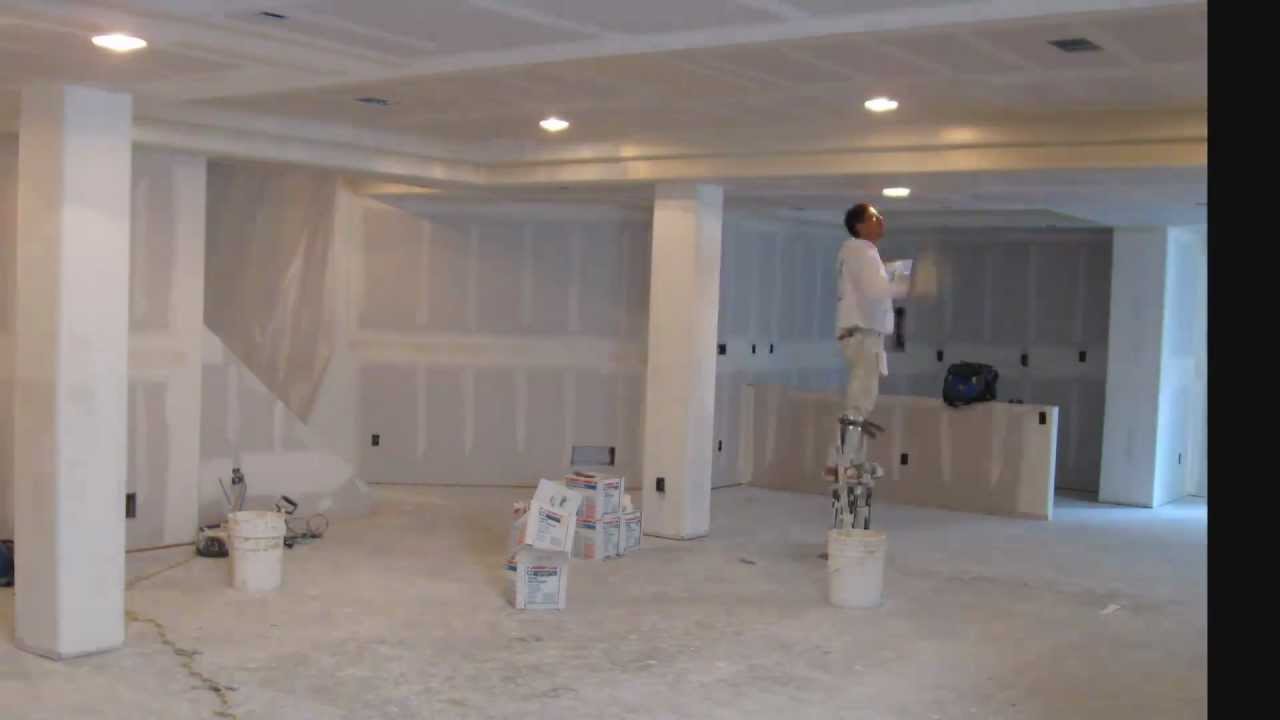
.The average cost to finish a basement in 2026 ranges from $25,000 to $75,000, with most homeowners spending around $40,000 to $55,000. The final price depends on the basement size, material quality, labor costs, plumbing, electrical work, flooring, insulation, and custom features such as bathrooms, kitchens, or entertainment spaces.
Whether you want a family entertainment area, guest suite, home office, gym, rental apartment, or playroom, understanding the total project cost is essential before getting started. The overall price depends on several factors, including the size of the basement, local labor rates, construction materials, permits, and the level of customization.
This guide explains everything homeowners need to know about basement finishing costs in 2026, helping you budget wisely and avoid unexpected expenses.
In 2026, most homeowners spend between $25,000 and $75,000 to finish a basement completely. Small, basic projects fall near the lower end of the range, while luxury basement renovations with bathrooms, kitchens, bars, or home theaters can easily exceed $100,000.
Here is a general pricing breakdown:
Basement Size | Average Cost |
500 sq. ft. | $18,000 – $35,000 |
700 sq. ft. | $25,000 – $45,000 |
1,000 sq. ft. | $35,000 – $60,000 |
1,200 sq. ft. | $45,000 – $70,000 |
1,500+ sq. ft. | $60,000 – $100,000+ |
Most contractors estimate basement finishing costs between $30 and $75 per square foot, depending on the project’s complexity.
Every basement is different, which means no two remodeling projects cost exactly the same. Several important factors influence your final investment.
The largest cost factor is the total square footage. Larger basements require more framing, drywall, insulation, flooring, lighting, painting, and labor hours.
Although bigger spaces cost more overall, the cost per square foot sometimes decreases because certain fixed expenses are spread across a larger area.
Before walls can be installed, contractors build wood or metal framing throughout the basement.
Typical framing costs range from $3,000 to $8,000, depending on the layout and number of rooms.
Complex floor plans with multiple bedrooms or offices increase framing expenses.
Proper insulation improves comfort while reducing heating and cooling costs throughout the year.
Basement insulation generally costs between $1,500 and $5,000 depending on the insulation type and wall size.
Quality insulation also helps control moisture and improves energy efficiency.
Drywall transforms exposed framing into finished living spaces.
Costs usually range between $2 and $4 per square foot, including installation, finishing, sanding, and preparation for painting.
Higher-quality finishes increase labor costs but create smoother walls.
Choosing the right flooring affects both appearance and budget.
Popular basement flooring options include:
Flooring costs generally range from $3 to $15 per square foot, depending on the material selected.
Luxury vinyl remains one of the most popular choices because it combines durability, water resistance, and affordability.
Every finished basement needs sufficient lighting, outlets, switches, and dedicated electrical circuits.
If you plan to install a home theater, gaming room, office, or workshop, additional electrical upgrades may be necessary.
Most homeowners spend between $2,000 and $8,000 on electrical work.
Adding a bathroom, wet bar, laundry room, or kitchenette significantly increases remodeling costs because plumbing lines must be extended.
Typical plumbing expenses include:
Expect plumbing costs to range from $3,000 to $15,000 depending on the project’s complexity.
A finished basement needs comfortable heating and cooling throughout every season.
Some homes already have sufficient HVAC capacity, while others require additional ductwork or a completely separate system.
Average HVAC costs include:
Most HVAC upgrades cost between $2,000 and $8,000.
Several ceiling styles are commonly used in finished basements.
Popular choices include:
Drop ceilings remain popular because they provide easy access to plumbing and electrical systems for future maintenance.
Ceiling installation generally costs $2,000 to $7,000.
Fresh paint gives the basement a clean, bright, finished appearance.
Professional painters typically charge based on wall size and ceiling height.
Painting usually costs between $1,500 and $5,000.
Using lighter paint colors can make basements feel larger while improving natural light reflection.
Basements usually have limited natural sunlight, making lighting one of the most important design considerations.
Many homeowners install:
Lighting installation generally ranges from $1,000 to $4,000 depending on fixture selection.
Many municipalities require permits before basement finishing begins.
Permit costs vary depending on location and project scope.
Typical permit fees range from $500 to $2,500.
Skipping permits may result in fines, failed inspections, and complications when selling your home.
Many homeowners customize their basement to create a truly functional living area.
Popular upgrades include:
Adding a full bathroom greatly increases convenience and home value.
Average cost: $8,000–$20,000
Entertainment rooms remain one of the most requested basement upgrades.
A professional theater setup may include:
Typical cost ranges from $10,000 to $40,000.
A basement gym saves money on memberships while offering year-round convenience.
Equipment, flooring, mirrors, ventilation, and storage can cost $3,000 to $15,000.
A custom wet bar creates the perfect entertaining space.
Depending on cabinetry, countertops, and appliances, costs generally range from $5,000 to $20,000.
Creating an additional bedroom adds valuable living space for family and visitors.
Costs typically range from $5,000 to $15,000, depending on closet construction, windows, and finishes.
While some homeowners attempt to finish their basement themselves, a complete basement remodel involves framing, insulation, electrical systems, plumbing, HVAC, drywall, flooring, permits, and inspections.
DIY projects can reduce labor costs, but mistakes often lead to expensive repairs later.
Working with experienced professionals helps ensure code compliance, safety, quality craftsmanship, and long-lasting results. Companies like Driscoll Home Enhancements LLC can guide homeowners through every stage of the remodeling process, from planning and permits to final finishes.
For many homeowners, the answer is yes. A finished basement adds usable square footage without expanding the home’s footprint, making it one of the most practical remodeling projects available.
In addition to creating extra living space, a professionally finished basement can improve comfort, support growing families, provide room for hobbies or remote work, and even generate rental income in some cases. Many projects also increase resale appeal, making the home more attractive to future buyers.