
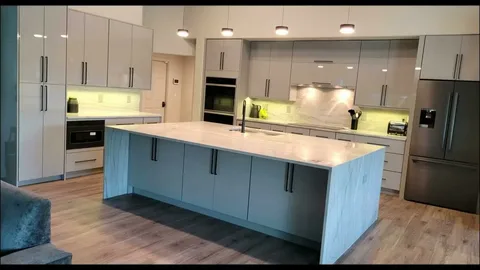
Yes, remodeling a kitchen can increase your home’s value by improving its appearance, functionality, and appeal to potential buyers. However, the amount of value added depends on the renovation’s cost, quality, local real estate market, and the condition of the original kitchen. In many cases, smaller updates such as replacing countertops, refreshing cabinets, and upgrading appliances can provide a better financial return than an expensive, full-scale renovation.
A kitchen is one of the most important spaces in a home. It is where families prepare meals, spend time together, and carry out daily routines. When buyers evaluate a property, they often pay attention to the kitchen’s condition, storage, layout, appliances, and overall design.
An outdated or poorly maintained kitchen may make a home feel less appealing, while a clean, modern, and functional space can help create a stronger first impression. For homeowners planning to sell, remodeling may improve marketability and potentially support a higher selling price.
However, not every renovation produces the same return. Spending more money does not automatically mean your property will become proportionally more valuable. Understanding which improvements matter most can help you make informed decisions and avoid spending money on upgrades that buyers may not appreciate.
This guide explains how kitchen remodeling affects home value, which improvements may offer the best return, how to control renovation costs, and what to consider before starting your project.
The value a kitchen remodel adds varies significantly from one property to another. A minor renovation that refreshes existing cabinets and replaces worn surfaces may offer a strong return relative to its cost. A complete renovation with custom cabinets, premium appliances, and major layout changes may add more absolute value but recover a smaller percentage of the investment.
According to the 2025 Cost vs. Value Report, the national estimates for common kitchen remodeling projects illustrate this difference.
Renovate+1
Kitchen remodeling project | Estimated average cost | Estimated resale value added | Estimated cost recovered |
Minor midrange remodel | $28,458 | $32,141 | 112.9% |
Major midrange remodel | $82,793 | $42,130 | 50.9% |
Major upscale remodel | $164,104 | $58,561 | 35.7% |
Source: 2025 Cost vs. Value Report. These are national estimates for standardized projects, not guaranteed results or quotes for an individual home.
These figures show why the size and scope of a renovation matter. A minor remodel may recover more than its modeled cost, while a luxury renovation may add more resale dollars but recover a smaller share of the money spent.
Your actual result will depend on local labor and material prices, buyer preferences, property values, and the condition of your existing kitchen.
A kitchen renovation can improve a home’s value in several ways. Some benefits are directly related to the property’s physical condition, while others come from making the home more attractive and convenient for potential buyers.
An outdated kitchen can make an otherwise attractive home appear older than it is. Worn countertops, damaged cabinet doors, discolored flooring, and old light fixtures may create the impression that the property needs additional work.
Updating these features can give the kitchen a cleaner and more modern appearance. Fresh finishes, coordinated colors, attractive lighting, and well-maintained surfaces can make the entire room feel more inviting.
This matters when buyers compare several properties. A kitchen that looks ready to use may help buyers feel more confident about the home’s condition.
Appearance is important, but functionality can be equally valuable. A kitchen with insufficient counter space, inconvenient storage, or a poorly arranged work area may frustrate homeowners.
A remodel can address these issues by improving cabinet organization, adding drawers, increasing usable counter space, or rearranging selected elements.
A practical layout makes it easier to prepare food, clean up, and move around the room. These improvements can make the property more appealing to buyers who want a kitchen that supports everyday activities.
Buyers often compare homes in the same neighborhood, price range, and size category. If competing properties have updated kitchens while yours has visibly worn or outdated features, your home may be less competitive.
A carefully planned renovation can help close that gap. It may improve how buyers perceive the property and reduce concerns about immediate repair or replacement costs.
However, a remodeled kitchen cannot guarantee a higher selling price. The property’s location, overall condition, size, and comparable sales remain important factors.
A kitchen with damaged cabinets, unreliable appliances, worn flooring, or visible plumbing problems may cause buyers to anticipate additional expenses.
Addressing genuine maintenance issues before selling can make the property feel better cared for. Replacing damaged materials and correcting functional problems may also reduce the number of concerns raised during a buyer’s inspection.
It is important to distinguish necessary repairs from cosmetic upgrades. Fixing a leak or replacing damaged flooring may be more valuable than installing an expensive decorative feature.
Replacing older appliances with appropriately sized, energy-efficient models may reduce electricity or water consumption, depending on the equipment and how it is used.
LED lighting, improved ventilation, and efficient fixtures can also contribute to a more practical kitchen.
These features may appeal to buyers who value lower operating costs. Still, energy savings and resale value vary, so homeowners should avoid assuming that every efficiency upgrade will pay for itself through a higher selling price.
If your primary goal is to increase resale value, focus on improvements that make the kitchen look well maintained, feel spacious, and function efficiently. You do not necessarily need to replace every component to achieve a noticeable improvement.
Cabinets are among the most visible elements of a kitchen. If the cabinet boxes are structurally sound, replacing the doors, updating the hardware, or applying a fresh finish may improve the room without the cost of a complete replacement.
Consider adding practical storage features, such as pull-out shelves, drawer organizers, or improved corner storage. These additions can make existing cabinets easier to use.
Choose colors and finishes that complement the rest of the home. Neutral colors and simple designs can appeal to a wider range of buyers than highly personalized styles.
Damaged, stained, or outdated countertops can make an entire kitchen appear neglected. Installing new countertops can improve both appearance and usability.
Popular choices include quartz, granite, and laminate. Each material offers different benefits in terms of price, maintenance, appearance, and durability.
You do not necessarily need the most expensive material. A countertop that looks attractive, fits the kitchen’s style, and meets everyday needs may be a better investment than a luxury option that pushes the project beyond your budget.
Old or mismatched appliances can make a kitchen feel dated. Replacing them with reliable, coordinated models can create a cleaner appearance and improve everyday convenience.
Before buying appliances, consider the dimensions of the available spaces, energy efficiency, maintenance requirements, and the expectations of buyers in your property’s price range.
Premium professional-grade appliances may be appropriate in some higher-end homes, but they are not always necessary for a successful remodel.
Good lighting can make a kitchen feel brighter, more comfortable, and easier to use. Poor lighting, on the other hand, can make even an attractive kitchen seem dark or cramped.
Consider a combination of general lighting, task lighting, and accent lighting. Ceiling fixtures provide overall illumination, under-cabinet lights brighten food preparation areas, and pendant lights can add visual interest above an island.
LED fixtures can also offer energy-saving benefits. Choose lighting that complements the kitchen’s design rather than overwhelming it.
Worn, cracked, or outdated flooring can reduce the overall appeal of the kitchen. Replacing it with a durable, easy-to-clean material can improve the appearance and practicality of the space.
Common options include porcelain tile, ceramic tile, luxury vinyl plank, and other suitable flooring products. Compare their durability, water resistance, maintenance needs, and installation costs before making a decision.
The flooring should also coordinate with nearby rooms. A consistent visual transition can help the home feel more connected and thoughtfully designed.
A kitchen island can provide additional preparation space, storage, seating, or room for selected appliances. It may be especially useful in a kitchen with enough floor area to accommodate it comfortably.
However, an island is not suitable for every kitchen. If it makes walkways too narrow or interferes with appliance doors, it can reduce functionality instead of improving it.
Measure the available space and plan clearances carefully. A well-designed island can be a useful feature, but adding one simply because it is popular may not be worthwhile.
A backsplash, faucet, cabinet handles, and sink fixtures may seem like small details, but together they can significantly influence the kitchen’s appearance.
Replacing dated hardware or a worn faucet can refresh the room without requiring a major construction project. A new backsplash can introduce texture or color while protecting the wall behind cooking and cleaning areas.
These updates are particularly useful when the kitchen is functional but needs a more contemporary look.
One of the most important decisions is determining how much work your kitchen actually needs.
A minor remodel focuses on improving the existing space without completely rebuilding it. A major remodel may involve replacing most components, changing the layout, moving plumbing, or undertaking structural work.
Minor kitchen remodel
A minor project may include cabinet refinishing or refacing, new countertops, updated hardware, improved lighting, a new faucet, and selected appliance replacements.
Best suited to kitchens that are structurally sound and need cosmetic or functional improvements.
Major kitchen remodel
A major project may involve new cabinets, extensive flooring replacement, relocated plumbing, new electrical circuits, upgraded ventilation, and changes to the kitchen layout.
Best suited to kitchens with significant design limitations, deteriorated components, or major functional problems.
If your main objective is resale value, a minor remodel may be the more financially sensible option. The 2025 national Cost vs. Value estimates show a higher cost-recovery percentage for a minor midrange remodel than for major midrange or upscale kitchen renovations.
Renovate+1
A major renovation can still be worthwhile if the kitchen has serious functional problems or if you plan to enjoy the improvements for many years before selling.
Before starting work, estimate how much of your remodeling expense you might recover when you sell the home.
The basic formula is:
\[ \text{Cost Recovery (\%)}= \frac{\text{Estimated Resale Value Added}}{\text{Remodel Cost}}\times100 \]
For example, imagine you spend $15,000 on a kitchen remodel and estimate that it adds $12,000 to the home’s resale value.
\[ \frac{\$12,000}{\$15,000}\times100=80\% \]
In this hypothetical example, you recover 80% of the remodeling cost through the estimated increase in resale value. The remaining $3,000 is not recovered through that increase.
This calculation does not measure the enjoyment you receive from the improved kitchen while living in the home. It also does not account for financing costs, changes in market conditions, or every expense involved in selling a property.
Your actual resale value should be estimated using local comparable sales and advice from a qualified real estate professional rather than relying solely on national averages.
Two homeowners can spend similar amounts on kitchen renovations and receive very different results. Several factors influence the outcome.
Property values and buyer expectations vary by neighborhood. A renovation that is attractive in one market may not produce the same result in another.
Research recently sold homes with similar sizes, locations, and features. Look at their kitchen condition, overall presentation, and selling prices to understand what buyers in your area are likely to expect.
Replacing a severely outdated or damaged kitchen may have a greater effect on buyer perception than upgrading a kitchen that is already in good condition.
If the existing kitchen functions well, you may achieve your goals with selective improvements. If it has damaged cabinets, plumbing problems, poor storage, or an inefficient layout, more extensive work may be justified.
Poor installation can undermine even expensive materials. Uneven cabinets, badly fitted countertops, inconsistent finishes, and faulty plumbing can reduce the appeal of the completed kitchen.
Choose materials that fit your budget and ensure the work is completed properly. Quality workmanship and appropriate maintenance are often more important than choosing the most expensive finishes.
A kitchen designed entirely around one person’s preferences may not appeal to every buyer.
Bold colors, highly unusual finishes, and specialized features can be appropriate when they suit the property, but neutral and adaptable designs often provide broader appeal.
Consider the style of the rest of your home. A kitchen that feels connected to the property’s overall design is more likely to look intentional than one that seems unrelated to the surrounding rooms.
A bigger budget does not automatically lead to a better financial return. Expensive materials and extensive structural changes can increase costs faster than they increase resale value.
Set a spending limit before work begins. Prioritize necessary repairs, useful features, and improvements that address the kitchen’s most noticeable weaknesses.
If you plan to sell soon, buyers’ preferences and current market conditions should guide your decisions. If you expect to remain in the home for many years, comfort, usability, and personal enjoyment may carry more weight.
A renovation that improves your daily life can be worthwhile even if you do not recover the full expense when you eventually sell.
Kitchen remodeling can be worthwhile before selling, but the best strategy depends on the kitchen’s condition, your budget, and how soon you plan to list the property.
If you are preparing to sell within a few months, focus on visible improvements that make the kitchen clean, functional, and attractive without requiring extensive construction.
Consider these steps:
A full renovation may be appropriate if the kitchen is seriously outdated or has major functional issues. However, compare the expected cost with the potential selling price before committing to extensive work.
For homeowners who are unsure which improvements make sense, consulting a remodeling professional such as Driscoll Home Enhancements LLC can help clarify the available options and the scope of work required.
High-end appliances, custom cabinetry, and premium countertops can make a kitchen look impressive, but they may not generate enough additional resale value to justify their cost.
What to do instead: Match the renovation to the home’s value and the expectations of buyers in your area.
Moving the sink, stove, or major appliances can increase plumbing, electrical, and labor costs.
What to do instead: Keep the existing layout if it functions well. Consider changes only when they provide a meaningful improvement in usability or solve a genuine problem.
A new countertop will not solve a leaking pipe, and attractive cabinets cannot compensate for serious water damage.
What to do instead: Address underlying maintenance and safety issues before spending heavily on cosmetic upgrades.
Highly specific design trends can quickly become dated or may not suit future buyers.
What to do instead: Use timeless finishes for major components and add personality through easily replaceable accessories, paint, or decorative details.
Unplanned upgrades and changes during construction can increase costs significantly.
What to do instead: Establish a budget, prioritize essential work, and keep a contingency fund for unexpected repairs.
Kitchen remodeling can increase home value, but the most successful projects are not necessarily the most expensive ones. Improvements that address visible wear, enhance storage, improve lighting, and make the kitchen more functional can help your property appeal to potential buyers.
If you are renovating primarily to sell, start by evaluating your current kitchen and researching comparable homes in your neighborhood. Set a realistic budget, focus on improvements that matter to buyers, and avoid unnecessary luxury upgrades.
If you plan to remain in your home for several years, consider both financial value and everyday comfort. A thoughtfully remodeled kitchen can improve your living experience while potentially making your property more attractive when it is time to sell.